Pay Online
When it comes to managing your belongings, especially when you have a large amount to store, organization becomes essential. Whether you’re transitioning to a new home, storing business inventory, or simply decluttering, organizing a 10×30 storage unit can help you make the most out of the space. In this guide, we’ll break down how to effectively pack and organize a 10×30 storage unit, ensuring that your items stay safe, accessible, and well-maintained.
A 10×30 unit offers substantial space—about the size of a two-car garage—allowing you to store large furniture, appliances, or business equipment. However, simply throwing everything in will not maximize the available space. Thoughtful planning and efficient use of the unit will help you organize everything properly and save time when retrieving items.
Understanding the Size: What Fits in a 10×30 Storage Unit?
A 10x30 storage unit is one of the largest sizes available, providing approximately 300 square feet of space.
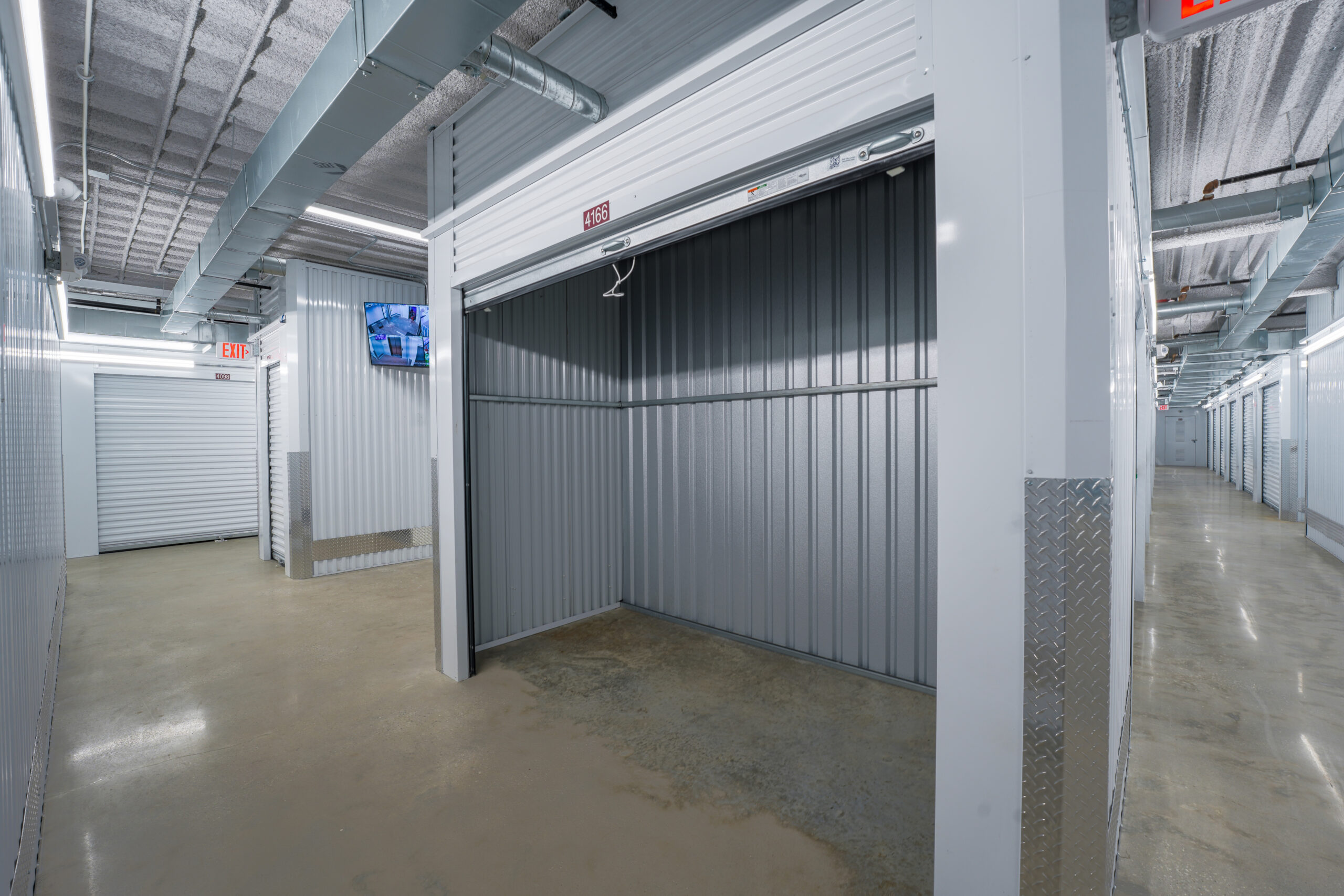
This is ideal for storing a range of items, such as multiple rooms of furniture, large appliances, and even a small car or business equipment. For those moving from a medium-sized home or storing inventory, this unit size offers a lot of flexibility.
Typical items that can be stored in a 10×30 unit include:
- Furniture: Sofas, chairs, dining tables, and large appliances like fridges, stoves, and washing machines.
- Business Inventory: If you’re a business owner, a 10×30 business storage unit can easily accommodate inventory stock, office furniture, and equipment.
- Large Items: Depending on the facility’s policies, items like furniture sets, large appliances, or seasonal equipment may fit in the unit on the first floor.
Step 1: Plan Your Layout Before You Start
Before moving your items into the storage unit, it’s important to plan how you’ll arrange everything. Proper planning ensures you make the most of your available space and prevents the hassle of reorganizing later on.
Create a Blueprint or Sketch
A helpful way to visualize the space is by creating a blueprint or sketch of your 10×30 storage unit layout. Start by placing larger items in the back of the unit and leaving space at the front for items that may need to be accessed more frequently. This will help you avoid digging through boxes and furniture every time you need something.
Think of the 10×30 unit as a series of zones, each dedicated to different types of items. For example, you could designate one section for furniture, another for boxes, and another for seasonal items. By planning this ahead of time, you ensure everything fits in a way that’s both practical and efficient.
Create Accessible Aisles
When organizing your unit, it’s vital to leave clear aisles between boxes and furniture to access your items easily. If you need to retrieve something from the back, having a pathway down the center will save you time and effort. Think of it as creating a mini “road” within your storage unit. This simple step can prevent frustration down the line when you need to pull items out.
Step 2: Use Shelving and Vertical Space
Maximizing the vertical space in your 10×30 storage unit is a great way to store more without using up valuable floor space. At Big Tex Storage we have high ceilings that are approximately 10 feet tall
Maximize Vertical Space
Utilizing shelving units is a smart way to store smaller items, such as boxes, books, or decor. Instead of stacking everything on the floor, shelves allow you to stack boxes upwards, freeing up more floor space for larger items like furniture and appliances. This makes the entire unit more organized, and you’ll be able to find things quickly without having to move large pieces to access smaller ones.
Label Shelves and Boxes
An often-overlooked part of organizing is labeling. Be sure to label each box and shelf clearly. Use large, easy-to-read labels that include both the contents and the room it belongs to. This will make it easier to identify items when you need them. If you’re storing business inventory or seasonal items, this is an especially useful tip.
Additionally, using clear plastic bins allows for better visibility of contents, which makes retrieval even easier.
Step 3: Implement Efficient Storage Techniques
Efficient packing techniques are key to ensuring everything fits in your unit and stays safe during storage.
Stack Boxes Properly
When stacking boxes, always place heavier items at the bottom and lighter ones on top. This will keep the stack stable and prevent boxes from crushing lighter items. Stacking boxes this way also helps you avoid having to constantly reorganize when retrieving items.
Use Clear Storage Bins
If you’re using plastic bins, try to use clear bins for better visibility of contents. With clear bins, you won’t have to open them to check what’s inside, saving you time when you need a specific item. Additionally, stacking bins can help optimize space and keep your unit looking organized.
Step 4: Secure Items with Proper Access Control
Your 10×30 storage unit is only as secure as the measures you take to protect your items. That’s why it’s crucial to understand how to access and store items securely.
Coded Access for Security
One of the primary benefits of modern storage units is coded access, which helps enhance security by allowing only authorized individuals to enter the facility. Big Tex Storage always ensures that the facility you choose has secure access options to prevent unauthorized access to your belongings.
Well-Lit Units for Visibility
Ensure that the unit is well-lit, as good lighting is essential for both organizing and retrieving items, especially in a large storage space like a 10×30 unit. Being able to see clearly helps you stack items efficiently and avoid mistakes that could cause damage.Big Tex Storage’s large units have lights inside of the units, making Many storage units also offer lighting options to make packing and accessing easier, even at night.
Step 5: Make Use of Premium Storage Features
If your items are particularly sensitive or valuable, utilizing additional features can provide added protection.
Climate-Controlled Units
If you’re storing items that require a stable environment, consider using a climate-controlled unit. Items such as electronics, artwork, documents, and even business equipment can be damaged by fluctuations in temperature and humidity. Using climate-controlled storage ensures that your belongings remain in pristine condition.
Free Truck for Convenient Moving
Transporting your items to your unit can be one of the more stressful aspects of storage. However, Big Tex Storage offers free moving trucks to move in to make the moving process easier many facilities offer free moving trucks to make the process easier. This service can save you money on professional movers and ensure your items are moved securely. If you have larger or heavier items, having access to a free truck can significantly streamline your move.
Step 6: Regularly Review and Reorganize
Once you’ve packed your 10×30 storage unit, it’s important to review and reorganize periodically.
Over time, you may accumulate more items or need to adjust your layout to make space for newly stored belongings. Revisiting your storage unit every few months allows you to maintain organization and make adjustments if necessary. If your unit starts to become too cluttered, consider adding more shelving or storage bins to keep things in order.
Step 7: Maximize Convenience with Big Tex Storage Locations
Having a storage unit in a convenient location of Houston can significantly enhance the overall storage experience, making it easier and more efficient to access your belongings when needed.
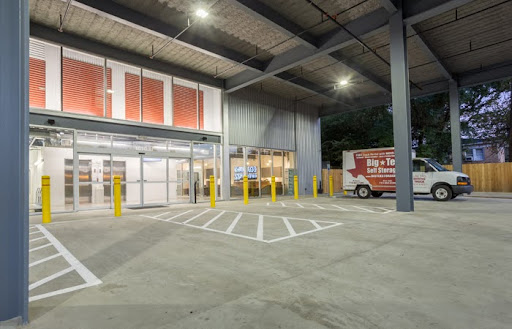
The closer the storage facility is to your home or business, the less time you spend commuting and the more accessible your items become. This is especially important when you need to quickly retrieve something or make frequent visits to your unit.
Big Tex Storage offers several strategically located facilities across Houston, ensuring that customers have easy access to their units, no matter where they are in the city. Whether you’re located in The Heights, Garden Oaks, Museum District, Uptown, or River Oaks, there’s a Big Tex Storage unit nearby, reducing your travel time and making it more convenient to visit your unit whenever necessary. This local accessibility provides peace of mind, knowing that your belongings are just a short trip away, whenever you need them.
Frequently Asked Questions
How much can I store in a 10×30 unit?
A 10×30 unit can store the contents of a 3-4 bedroom home, large items like a car, or bulk business inventory.
Are the 10×30 units at Big Tex Storage climate-controlled?
Yes, Big Tex offers 10×30 climate-controlled units to protect sensitive items from temperature and humidity fluctuations.
How do I access my storage unit at Big Tex Storage?
Access is granted through coded entry, ensuring only authorized individuals can enter in building. Security measures like 24/7 surveillance and individual unit alarms provide peace of mind.
What makes Big Tex Storage different from other storage providers?
Big Tex stands out with well-lit units, free truck rental, climate-controlled units, and secure access, offering convenience and flexibility to suit your storage needs.
Conclusion
Organizing a 10×30 storage unit may seem daunting, but with careful planning and efficient packing, it’s easy to maximize space and keep your belongings accessible and secure. From using vertical space with shelving to securing your items with proper access control, every step contributes to a well-organized unit. With the added convenience of Big Tex Storage’s strategically located units and premium storage options, your storage experience can be streamlined and stress-free.